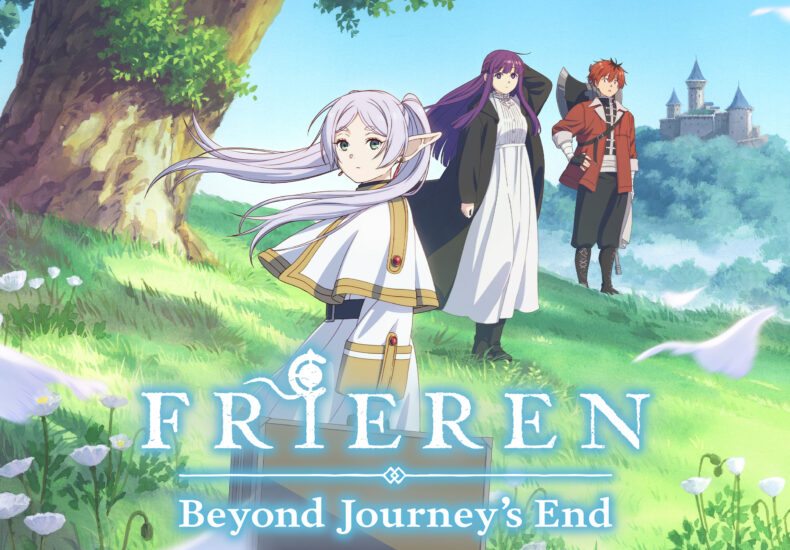
The Problem with Humanizing Demons in Frieren: Beyond Journey’s End
Something about Frieren: Beyond Journey’s End just sticks with you. It moves at its own pace—quiet, thoughtful, a little melancholic. Instead of throwing you into endless battles or epic quests, it wants you to sit with memory, time, and all the complicated feelings that come after the adventure ends. But tucked inside this gentle world is a choice that’s got people talking: how the show handles demons, especially when it starts making them seem almost… human.

A Familiar Fantasy Trick—With a Twist
At first, Frieren feels like it’s doing what a lot of modern fantasy does—muddying the waters between good and evil. These days, it’s not enough for villains to be evil for evil’s sake. Writers love to give their monsters tragic pasts or a reason to be the way they are. Frieren is trickier, though. The way it treats demons is kind of all over the place, and honestly, that’s where things get interesting—and maybe a little messy.
Demons as Inhuman Beings
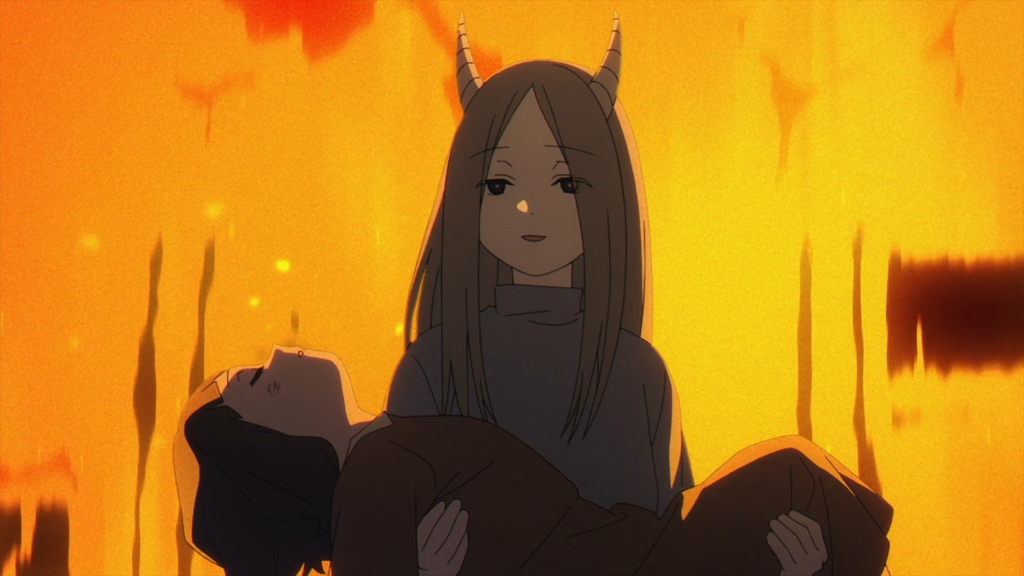
In Frieren’s world, demons aren’t just people with horns. The story goes out of its way to tell you: these creatures copy how humans act, but they don’t actually feel anything. Sure, they talk, bargain, and even beg for their lives—but it’s all an act. They’re not misunderstood—they’re something else entirely. This is a big deal. When a human character does something awful, you might dig into their backstory or hope they’ll change. With demons, the show sets a hard line: they aren’t secretly good. Their “empathy” is just a trick. They’re predators, full stop.
The Tension of Humanization
That’s the idea, anyway. But then Frieren throws you a curveball. Every now and then, you get scenes where demons seem almost vulnerable—where their words or actions start to tug at your heart. Suddenly, you’re not sure if you’re supposed to fear them, feel sorry for them, or both. That’s where things get complicated. Giving demons too much emotional weight messes with the show’s own rules. If you start seeing them as just another shade of gray, the whole point—that they’re empty inside, just pretending—gets blurry. The horror is in how convincing their act is, not in any hidden softness.
So What Are We Supposed to Feel?
Are demons there to be sympathized with, or just to remind us that some things are beyond understanding? Does their mimicry mean we should feel bad for them—or is it meant to unsettle us? If the story leans too far into making demons relatable, it risks losing what makes them interesting in the first place.
Why This Matters to the Story
Demons in Frieren aren’t just background—they’re tied directly to the show’s core themes. Frieren herself is almost alien in her own way, struggling to truly understand humans because she lives so long. But she’s learning, slowly. She changes. Demons don’t. They don’t grow. They don’t learn. They copy—but there’s nothing behind it. Putting Frieren’s gradual emotional growth next to the demons’ emptiness makes the story hit harder. If we start seeing demons as redeemable, that sharp contrast disappears. The story’s core—what it means to connect with someone, to change—loses its edge.

A Delicate Balance
To be fair, Frieren usually sticks the landing. Most of the time, the demons are as unsettling and “other” as they’re supposed to be. Still, every so often, the show lets a little ambiguity slip in. It almost dares you to wonder if you’re being tricked right along with the characters. And that might not be a flaw. If demons are perfect deceivers, it makes sense that they could fool us, too.
Final Thoughts
So what’s the real issue with humanizing demons in Frieren? It’s not that sympathy is bad, or that stories shouldn’t be messy. It’s that, here, it risks dulling one of the series’ sharpest ideas. Demons are most powerful—and most chilling—when they stay truly alien. In a story all about trying to understand people, the most unsettling idea of all is that some beings can’t be understood at all. And honestly? That might be the point.

This really helped me a lot.
Ողջույն, ես ուզում էի իմանալ ձեր գինը.
Sveiki, es gribēju zināt savu cenu.