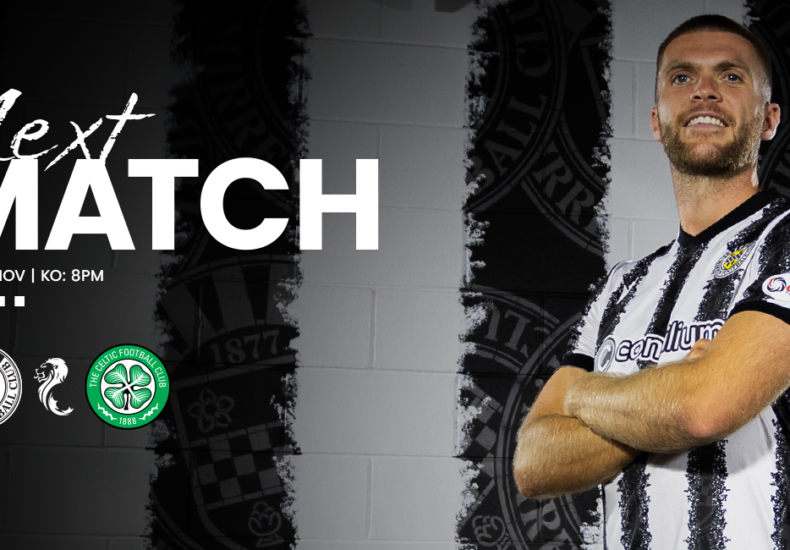
The Hampden Illusion: How St Mirren Nearly Toppled Celtic
For a while at Hampden, it felt like history was repeating itself.
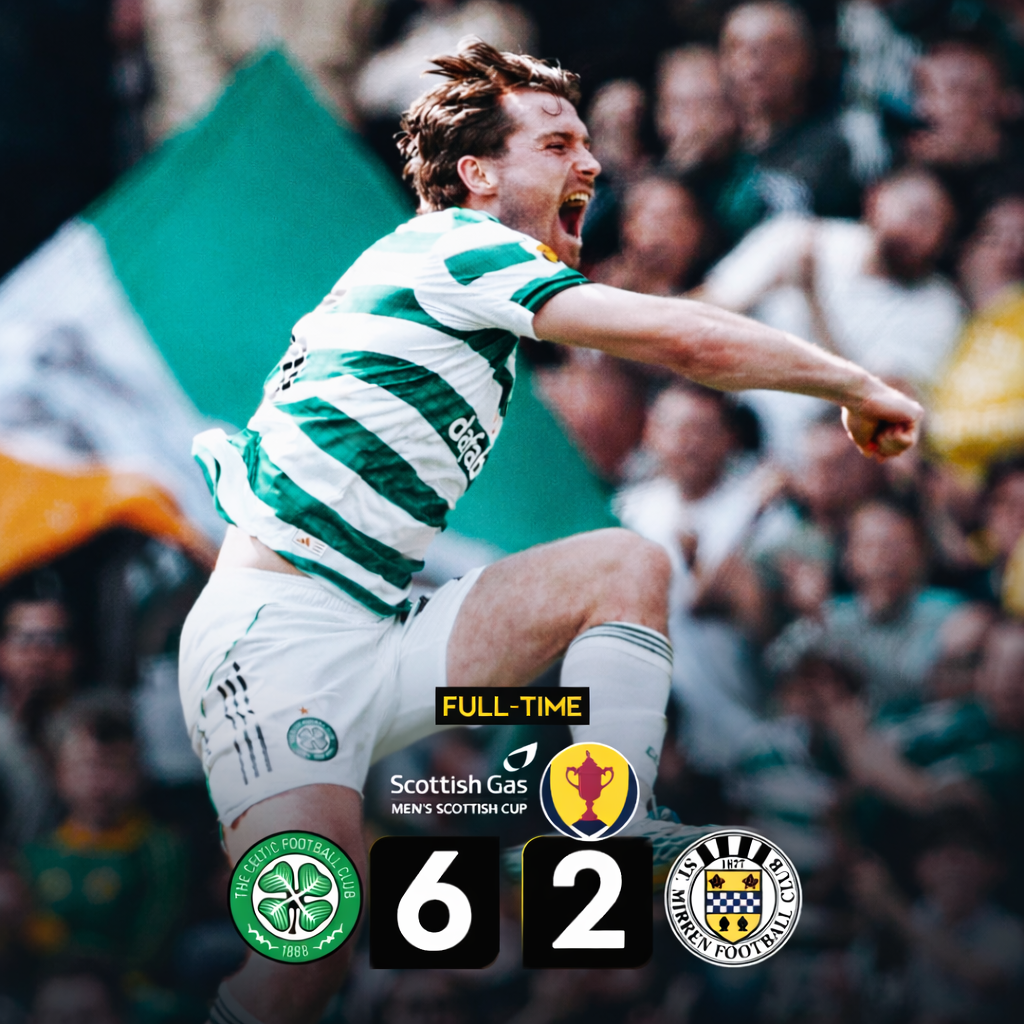
St Mirren weren’t just competing with Celtic in this Scottish Cup semi-final — they were hurting them. The same belief, the same directness, the same refusal to be overawed that had already delivered a shock trophy earlier in the season was back on display. And for long stretches, Celtic looked exactly like a team heading for another collapse.
This wasn’t a smash-and-grab. It wasn’t luck.
It was something far more uncomfortable for Celtic: control slipping away again.
A Game That Refused to Follow the Script
From the opening phases, St Mirren made it clear they hadn’t come to survive — they came to disrupt.
They pressed aggressively, played forward quickly, and exposed the same vulnerabilities that have haunted Celtic all season. Loose transitions. A lack of midfield grip. Defensive uncertainty when forced to turn and run.
And then came the real statement: goals.
Not one, but two.
At that point, this wasn’t an “almost upset” — it was a live one. Celtic weren’t just in danger; they were on the brink of another Hampden embarrassment. You could feel it in the momentum, in the body language, in the growing sense that St Mirren had figured them out again.

The Moment Everything Change
But knockout football has a cruel edge — and it often comes down to timing.
Celtic didn’t suddenly become dominant. They didn’t take control in a convincing, structured way. What they did instead was survive just long enough to land a response.
And that changed everything.
One goal shifted the emotional balance. Suddenly, St Mirren weren’t playing with freedom — they were protecting something. Their shape dropped. Their aggression softened. The game stretched.
That’s the moment where underdogs often lose their grip — not tactically, but psychologically.
From Belief to Chaos
Once the game opened up, it started to favour Celtic.
Spaces appeared. The tempo increased. The match lost its structure — and in that chaos, the difference in squad depth and experience began to show.
St Mirren, who had looked so organised and purposeful, started to tire. Their pressing lost its edge. Their defensive lines became less compact. And Celtic, for all their flaws, have enough quality to exploit those moments.
The collapse wasn’t slow. It was sudden.
What had been a controlled, confident performance turned into a scramble. The same energy that drove St Mirren forward earlier in the game now left them exposed. And once momentum fully flipped, there was no way back.
The Fine Line Between Glory and Regret
This is what makes the result so brutal for St Mirren.
They didn’t just “almost” win — they put themselves in a winning position. They executed their plan, unsettled a stronger opponent, and carried real belief deep into the match.
But knockout football doesn’t reward almost.
It punishes hesitation. It punishes fatigue. And it punishes any drop in control.
St Mirren crossed that line — from fearless to cautious, from structured to stretched — and Celtic capitalised.
What It Really Says About Both Teams
For St Mirren, this performance reinforces something important: they are not intimidated by Celtic. They’ve proven that more than once. But it also highlights the next step they haven’t yet taken — managing big moments when the game turns against them.
For Celtic, the victory raises as many questions as it answers.
They survived.
But they didn’t convince.
Once again, they were dragged into a battle they couldn’t control. Once again, they relied on moments rather than dominance. And once again, they needed the game to break open before they could impose themselves.
Final Thought
For almost an hour or more, St Mirren had Hampden believing.
They looked like a team ready to deliver another shock, another chapter in a remarkable season. But football at this level is unforgiving — and when the tide turned, it turned fast.
What should have been another famous result became something else entirely:
A reminder that beating Celtic once is an achievement…
but doing it again, under pressure, over 90 minutes (and beyond), is a different challenge altogether.

Leave a Reply