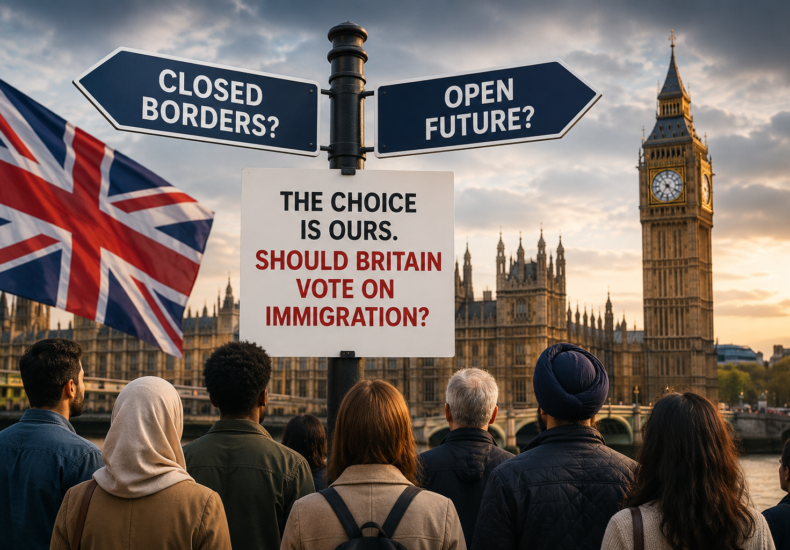
One Question, Two Futures: What Kind of Britain Do We Want?
The Case for a Referendum
Plenty of people say yes—give the public a vote.
And you can understand why.
For years, politicians from every party have made familiar promises:
“We’ll bring numbers down.”
“We’ll fix the system.”
“We’ll take control.”
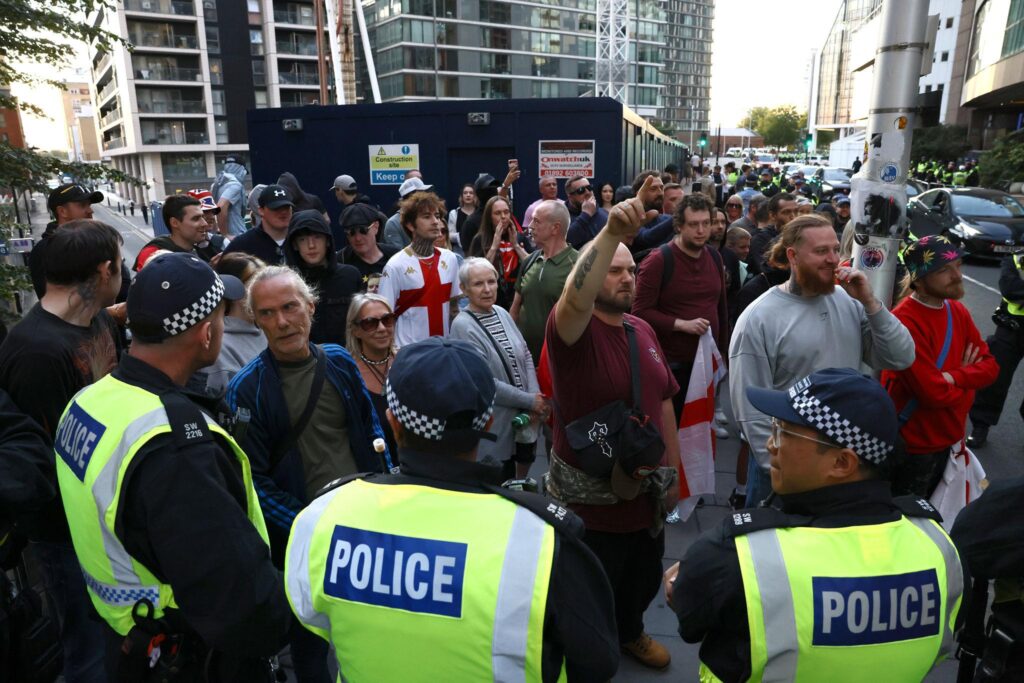
Yet migration figures continue to rise, and in many communities—particularly outside major cities—people feel decisions have been made about them, not with them.
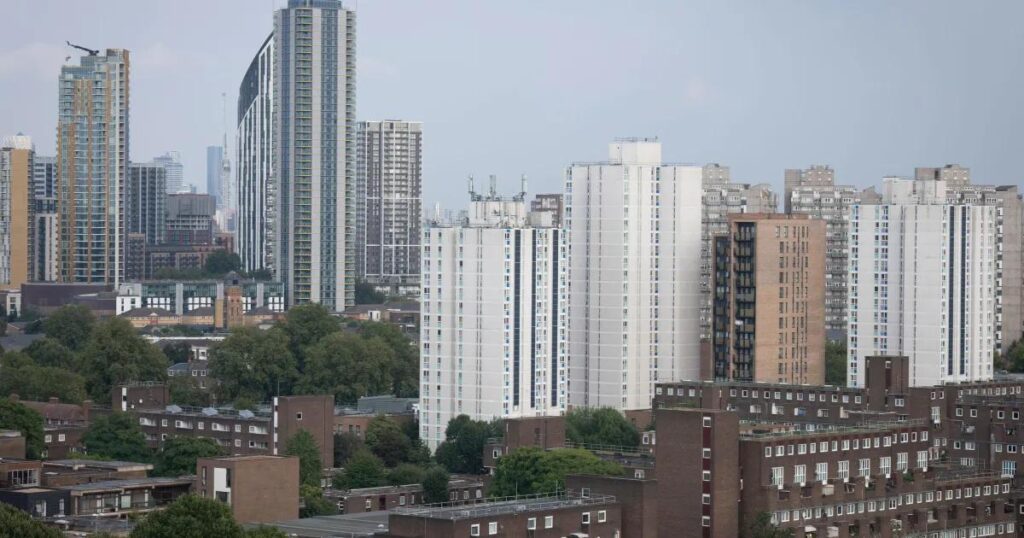
They see schools under pressure. Longer waits at GP surgeries. More competition for housing. Public transport stretched. Local services struggling to keep pace with growing populations.
For many, the frustration isn’t just about immigration itself.
It’s about feeling ignored.
And that’s why a referendum appeals.
The logic is simple:
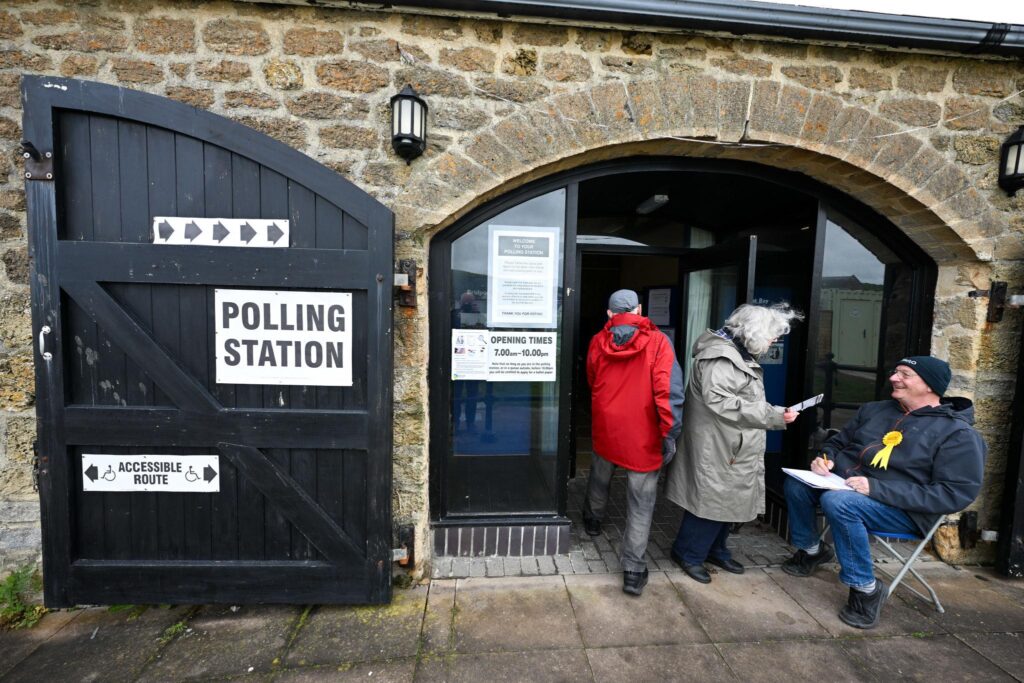
If the public votes, politicians have to listen.
Whatever the outcome, the democratic mandate would be clear.


The Concerns People Raise
Concerns about immigration aren’t just political slogans or tabloid headlines.
For many families, they feel real.
There are legitimate questions about:
- Pressure on public services
- Access to affordable housing
- Infrastructure struggling to keep up
- Wage competition in lower-paid sectors
- Community integration and social cohesion
These concerns deserve to be heard—not dismissed, mocked, or shouted down.
A healthy democracy should be confident enough to have difficult conversations.


But Immigration Is More Than Numbers
Here’s the other side of the story.
Immigration isn’t simply about pressure.
It’s also about contribution.
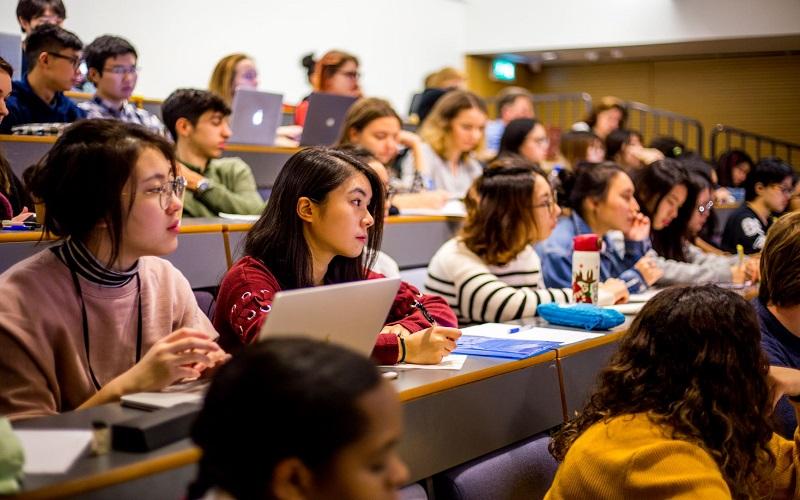
Walk through a ward in the NHS, and chances are you’ll meet doctors, nurses, carers, and support staff from every corner of the world.
The NHS simply would not function as it does without them.
Visit a school, a technology company, a care home, a building site, or a local high street, and the story is much the same.
Migrants:
- Start businesses
- Create jobs
- Fill critical labour shortages
- Pay taxes
- Drive innovation
- Help support an ageing population
And beyond economics, they’ve helped shape modern Britain culturally—through food, music, art, literature, sport, entrepreneurship, and fresh ideas.
In many ways, the Britain people celebrate today has been built not despite immigration—but partly because of it.
At a time when many advanced economies face ageing populations and skills shortages, openness can be a strength.
Not a weakness.
What Comes Next?
Maybe the real question isn’t:
Should immigration go up or down?
Maybe it isn’t even:
Should there be a referendum?
Maybe the bigger question is this:
What sort of Britain do we want to become?
A nation that closes itself off?
A nation that embraces the world?
Or something balanced—secure, confident, and open?
And when it comes to a decision this important…

Leave a Reply